
Picture this: You’re breathing in crisp mountain air, freshly powdered slopes surround you, and you’re in the heart of the Rocky Mountains on a winter getaway like no other. This is what skiing in Winter Park is all about.
When it comes to skiing, Winter Park in Colorado is a top destination that offers something for everyone. Whether you’re a beginner or an experienced skier, Winter Park’s over 3,000 skiable acres and two distinct mountains provide a variety of terrain options. With its diverse terrain, family-friendly environment, and breathtaking scenery, this is a fantastic destination for skiing and snowboarding enthusiasts of all levels.
Get ready for the ski trip of a lifetime, and book your stay in Winter Park today.
What it’s like Skiing in Winter Park Ski Resort
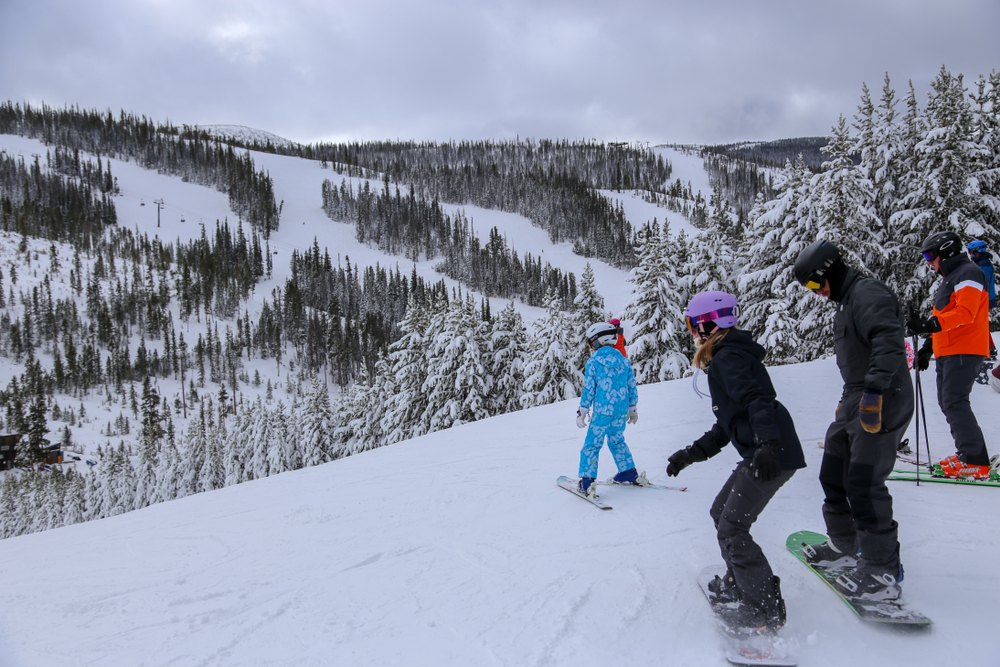
Skiing in Winter Park might just be one of the best ski trips you’ve ever taken. There’s a reason Winter Park is Colorado’s longest continually operating ski resort – actually two! Winter Park and Mary Jane are interconnected resorts that allow for a varied skiing experience, ensuring everyone has options. This is ideal if you’re traveling with a group or family of different skill levels.
The Slopes
Skiing in Winter Park is particularly excellent thanks to its high base elevation. Sitting at 9,500 feet, snow conditions at Winter Park do not disappoint.
Positioned on the Continental Divide, Winter Park offers its visitors an impressive 3,081 skiable acres of terrain. With 23 lifts (including a 10-person gondola) and 166 amazing trails, the resort caters to skiers and snowboarders of varying skill levels. These trails are spread across seven unique territories, benefiting from a whopping annual snowfall of 344 inches.
Downtown Winter Park
A short distance from the main resort area, Downtown Winter Park is a must-visit. This charming town center boasts an array of boutique shops, local eateries, art galleries, and plenty of things to do.
Getting There
Just 90 minutes from Denver, the Winter Park Resort is extremely convenient to get to, making it a top contender for your next ski trip!
Best Time of Year for Skiing in Winter Park
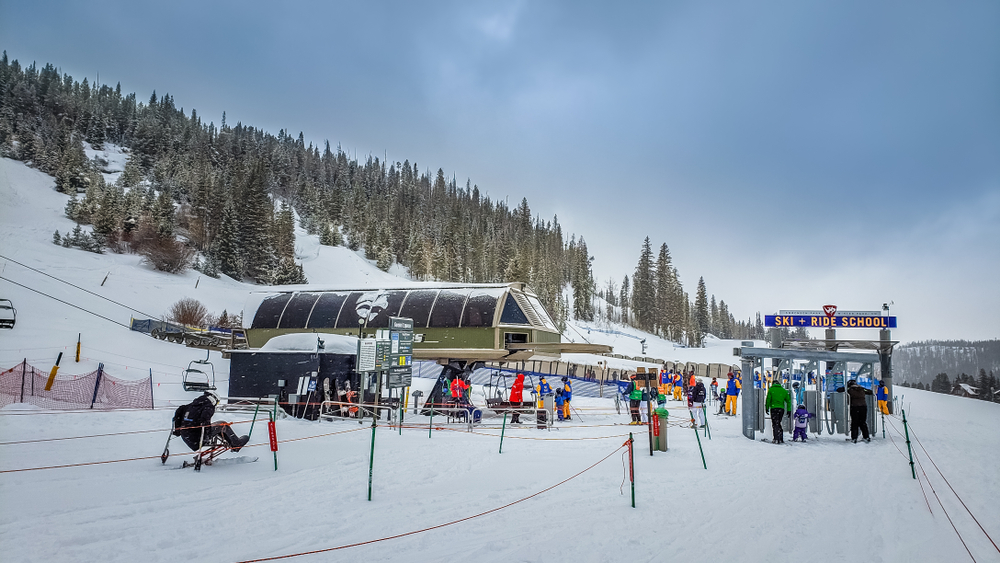
The season for skiing in Winter Park typically runs from mid-November to mid-May. The “best” time to go really depends on what you’re looking for! If you’re looking for the most snow, you’ll probably want to come in March, the snowiest month at Winter Park.
If you’re seeking warmer temps, April and early May are great times to visit, and December is fantastic if you want to enjoy all the fun holiday festivities and don’t mind a bit of a crowd. Here’s a more in-depth, month-by-month breakdown of the different seasons for skiing in Winter Park.
November
Winter Park generally begins its season in mid-November. While the entire mountain may not be open, there will still be plenty of runs open for eager skiers who have been waiting for months to finally get back out there.
This month sees average temperatures with highs around 40°F and lows dipping to 19°F, so it’s not too cold! With an average snowfall of 35″, November sets the scene for the upcoming winter months. The trails aren’t overly crowded in November, although Thanksgiving does see a surge in visitors.
December
Things only get better in December. On average, December sees a substantial 65” of snowfall, transforming the resort into a winter wonderland. The temperatures cool down even more, with December seeing average highs of 30 °F and average lows of 15 °F.
As Christmas approaches, there’s generally a huge influx of visitors, making it one of the busiest times of the season. However, it’s hard to resist spending Christmas in Winter Park, and there are plenty of trails for all!
January
January blankets Winter Park with 58″ of snow, setting a solid base depth of 47″. This month is perfect for those looking to ski on freshly powdered slopes without the holiday rush. Temperatures are slightly colder than December, although not by much. January is a wonderful time to ski in Winter Park and find fresh powder stashes.
February
This month sees, on average, 52″ of snow and boasts a considerable base depth of 58″. February sees some of the best snow conditions of the season for skiing in Winter Park.
March
March claims the title of the snowiest month at Winter Park. With a whopping snowfall of 56″ and a base depth of 68″, this is the time to come if you’re hoping to ski pow!
April
As spring sets in, April still sees an astonishing 45″ of snowfall and holds a base depth of 66″. The skiing conditions remain excellent, and visitors can enjoy far warmer temps than December and January.
May
Typically, Winter Park closes its doors in mid-May. Until then, you can enjoy bluebird days and soft, slushy snow. However, in years with record snowfalls, the resort extends its operations until the end of May. It’s worth checking ahead, especially if you plan a late spring skiing escapade.
A Guide to Winter Park Terrain
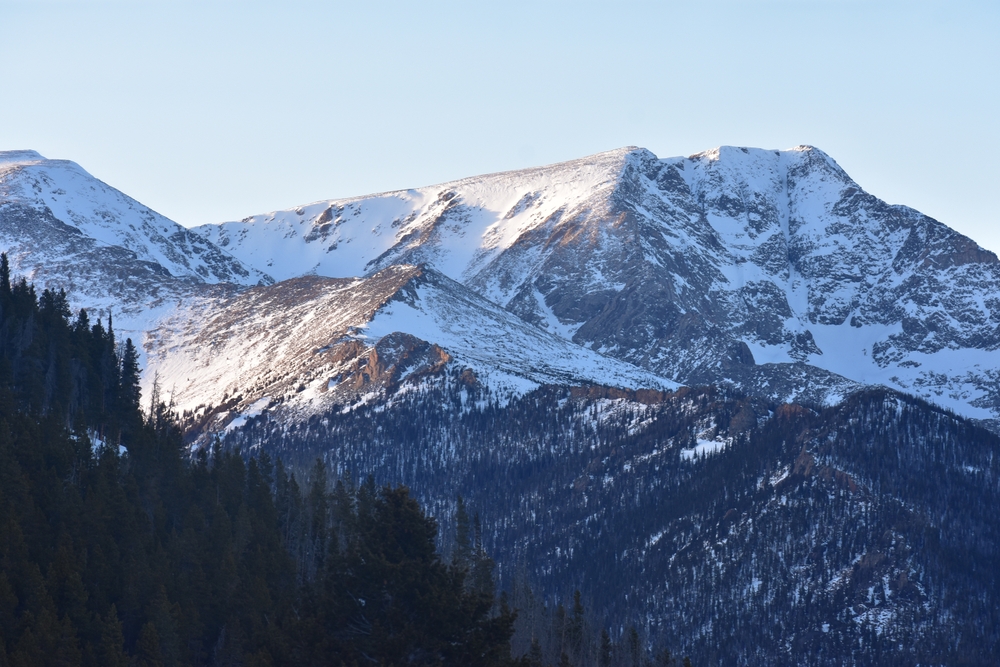
Winter Park has a diverse range of terrain suitable for skiers of all levels. That said, most of the terrain is considered difficult, so it’s a great mountain for experienced riders. However, that doesn’t mean there isn’t some fun stuff for the beginners too!
Overall, Winter Park has a really nice mix of terrain, including glades, open bowls, a terrain park, and wide open top to bottom groomers. Here’s some specific information on the trails and types of runs to look out for for each level.
Beginner Terrain
With beginner terrain making up about 30% of the mountain’s ski area, Winter Park ensures beginners aren’t left behind.
- Lifts: For beginners, check out the Gemini Express, Discovery, Endeavor, and High Lonesome Express Chairlifts.
- Location: If you’re looking at the trail map, focus on the right side, corresponding to the skiers’ left on the mountain. This area is where you’ll find the majority of the beginner trails.
- Suggested route: Once you’ve got your legs under you, beginners can take the Lonesome Express Chairlift to the top of the mountain and ride greens back down to the village! Not many ski mountains offer over 2,000 feet of vertical, beginner-friendly terrain, so this is pretty special.
Intermediate Terrain
About 20% of the skiable terrain at Winter Park is blue and great for intermediates. Between Winter Park, Mary Jane, the Parsenn Bowl, and the Vasquez Ridge’s pinnacle, intermediates have a ton of options, from corduroy groomers to spacious glades and open bowl skiing.
Intermediate terrain is spread pretty evenly throughout the resort. Jabberwocky, Stagecoach, and Lonesome Whistle are some of the best blues in the park.
Advanced Terrain
About half of Winter Park’s terrain is advanced, and you’ll find most of it on the Mary Jane side.
Mary Jane is famous across North America for its challenging bumps and glades. The perfectly spaced trees allow for exhilarating tree skiing, and the easy access between trails and steep, deep mogul runs are a dream for advanced skiers.
Dining Around Winter Park
If you’re looking for an apres ski, Winter Park does have its fair share of options, including Stoney’s Winter Park, Randi’s Grill and Pub, andDining Around Winter Park
If you’re looking for an apres ski, Winter Park does have its fair share of options, including Stoney’s Winter Park, Randi’s Grill and Pub, and Winter Park Pub.
Ski and Snowboard Rentals
Don’t have your own gear? No problem! The resort provides premium ski and snowboard rentals. You can pick up your rentals from the Winter Park Base or the Mary Jane Base.
It will be pricier to rent within the resort, but if you have any issues with your equipment, it’s a quick and easy fix, and you won’t have to lose out on any precious mountain time. You’re paying for convenience!
Affordable Alternatives
If you’re keen on cutting down rental costs without compromising on quality, there are a few other options for you:
- Epic Mountain Sports: Epic Mountain Sports is a budget-friendly, family-owned ski and snowboard rental business in downtown Winter Park. They offer special deals for renting online, so we recommend checking their website before you head into the shop.
- Larson’s Ski and Sport: Larson’s Ski and Sport offers extremely competitive rental prices for those landing in Denver and looking to secure their gear right away.
Enjoy Skiing in Winter Park
After an epic day out on the slopes at one of the best ski resorts in the USA, there’s no better feeling than retreating to your cozy Winter Park vacation home, where modern comforts meet mountain charm. Ready for the ski trip of a lifetime? Book your stay today, and let the fun begin.